Financial stability isn’t a mystical realm accessible only to a select few; it’s a tangible destination within reach of anyone willing to put in the effort. The cornerstone of this journey is effective money management, and at its heart lies a powerful yet often underutilized tool: the budget vs. actual spending comparison. This isn’t just about spreadsheets and numbers; it’s about gaining clarity, making informed decisions, and ultimately, achieving your financial aspirations. This comprehensive guide will walk you through the process, from understanding the fundamental importance of budgeting to leveraging sophisticated comparison tools for long-term success.

Understanding the Importance of Budgeting
Many people view budgeting as a restrictive chore, a constant reminder of what they can’t spend. This perception is a significant hurdle to overcome. Instead, budgeting should be reframed as an empowering act of intentional financial stewardship. It’s a proactive plan for your money, a roadmap that guides your spending and saving towards your goals. Without a budget, your money is often spent reactively, dwindling away on unforeseen expenses or impulsive purchases, leaving you wondering where it all went.
Why Budgeting is More Than Just Tracking Expenses
Budgeting transcends mere expense tracking. While knowing where your money goes is crucial, budgeting takes it a step further by allocating specific amounts to different categories before you spend. This proactive approach allows you to prioritize your financial well-being. It helps you distinguish between needs and wants, making conscious choices about how your hard-earned money will serve you. For instance, knowing you’ve allocated a certain amount for groceries helps prevent overspending on dining out, freeing up funds for savings or debt repayment.
The Financial Freedom Budgeting Provides
True financial freedom isn’t about having limitless wealth; it’s about having control over your financial destiny. Budgeting provides this control. It eliminates the stress of living paycheck to paycheck, empowers you to save for important life events like a down payment on a home or your children’s education, and builds a safety net for unexpected emergencies. It liberates you from the anxiety of financial uncertainty, allowing you to focus on what truly matters in your life. With a clear budget, you can say “yes” to genuine opportunities and “no” to financially detrimental impulses.
Choosing the Right Budget vs. Actual Spending Comparison Tool
In today’s digital age, the options for budgeting tools are vast, ranging from simple pen-and-paper systems to sophisticated software. The key is to find a tool that aligns with your individual needs, tech comfort level, and financial complexity. There’s no one-size-fits-all solution, and what works for one person might be overwhelming or insufficient for another.
Exploring Different Types of Budgeting Tools
The spectrum of budgeting tools is quite broad. On the simpler end, you have traditional methods like spreadsheets (Google Sheets, Excel) or even dedicated budgeting notebooks. These offer flexibility and complete control but require manual input and calculation. Moving up in complexity, there are popular budgeting apps like Mint, YNAB (You Need A Budget), Personal Capital, and PocketGuard. These typically offer automated transaction syncing, categorization, and robust reporting features. Some even offer investment tracking and financial planning tools. Think about how much automation you desire and what level of detail you need for your financial analysis when making your choice.
Key Features to Look For in a Comparison Tool
Regardless of the type, certain features are essential for an effective budget vs. actual spending comparison tool. Firstly, it should facilitate easy input of income and expenses, ideally with automated bank and credit card syncing to minimize manual effort and reduce errors. Secondly, robust categorization features are crucial, allowing you to define and customize spending categories that make sense to your financial life. Thirdly, clear and intuitive reporting is paramount. The tool should present your budget versus actual spending in an easily digestible format, using graphs, charts, and summaries to highlight key discrepancies. Finally, look for features that allow for goal setting and progress tracking, as this provides crucial motivation and direction. Security and privacy of your financial data should also be a top priority.
Setting Up Your Budgeting Tool and Tracking Your Expenses
Once you’ve chosen your tool, the next step is to set it up and begin the critical process of tracking your financial inflows and outflows. This initial phase requires diligence and attention to detail, as the accuracy of your tracking directly impacts the effectiveness of your budget.
Defining Your Income and Expense Categories
The foundation of any good budget is a clear understanding of your financial landscape. Start by defining your income sources, whether it’s your salary, freelance earnings, or investment returns. Then, move on to expenses. Categorization is key here. Think about broad categories like housing, transportation, food, utilities, debt payments, and personal spending. Within these, you can create subcategories for greater detail—for example, under “food,” you might have “groceries,” “restaurants,” and “coffee shops.” The more granular you are, the better insights you’ll gain into your spending habits. Aim for categories that are meaningful to your financial behavior.
Establishing Realistic Budget Allocations
This is where the “budget” part of the equation comes in. Based on your historical spending (if you have any data) and your financial goals, allocate specific dollar amounts to each expense category for a given pay period (weekly, biweekly, or monthly). Be realistic here. Drastically cutting back on a category that’s a genuine necessity will likely lead to frustration and abandonment of your budget. Start with a baseline, and then look for small, sustainable adjustments. Overestimation of income or underestimation of expenses is a common pitfall; err on the side of caution. Remember, this is a living document, and adjustments will be made.
The Discipline of Consistent Expense and Income Tracking
This is arguably the most challenging but also the most crucial aspect. Whether your tool automatically syncs transactions or requires manual input, consistency is paramount. Make it a habit to review and categorize your transactions regularly—daily or every few days is ideal. Procrastination leads to a backlog of uncategorized expenses, making the task feel overwhelming and increasing the likelihood of errors or missed transactions. Treat tracking your money like any other important daily routine. The more diligently you track, the more accurate your “actual spending” data will be, providing a reliable comparison against your budget.
Analyzing Your Budget vs. Actual Spending
This is where the magic happens—the insights gained from comparing what you planned to spend against what you actually spent. This analysis is not about judgment but about understanding and identifying areas for improvement. It’s the feedback loop that makes budgeting a powerful tool for financial growth.
Identifying Variances and Understanding Their Causes
Once you have a month or two of data, your budget vs. actual spending report will illuminate discrepancies. Did you consistently overspend on dining out? Were your utility bills higher than anticipated? Did you forget to budget for a recurring subscription? Identify these variances, both positive and negative. It’s not enough to just see a difference; you must understand why it occurred. Was it an impulse purchase, an unexpected repair, or an inaccurate initial budget allocation? The “why” is crucial for making informed adjustments.
Spotting Trends and Patterns in Your Spending
Beyond individual variances, look for broader trends. Do you consistently overspend on a particular day of the week? Are your spending habits different in certain seasons? Do you tend to rely on credit cards when your checking account runs low towards the end of the month? Recognizing these patterns can often reveal underlying behaviors that contribute to financial challenges. For example, consistent overspending at coffee shops might indicate a habit that could be modified for significant savings over time. These trends are powerful diagnostic tools for improving your financial health.
The Power of Visualizing Your Financial Data
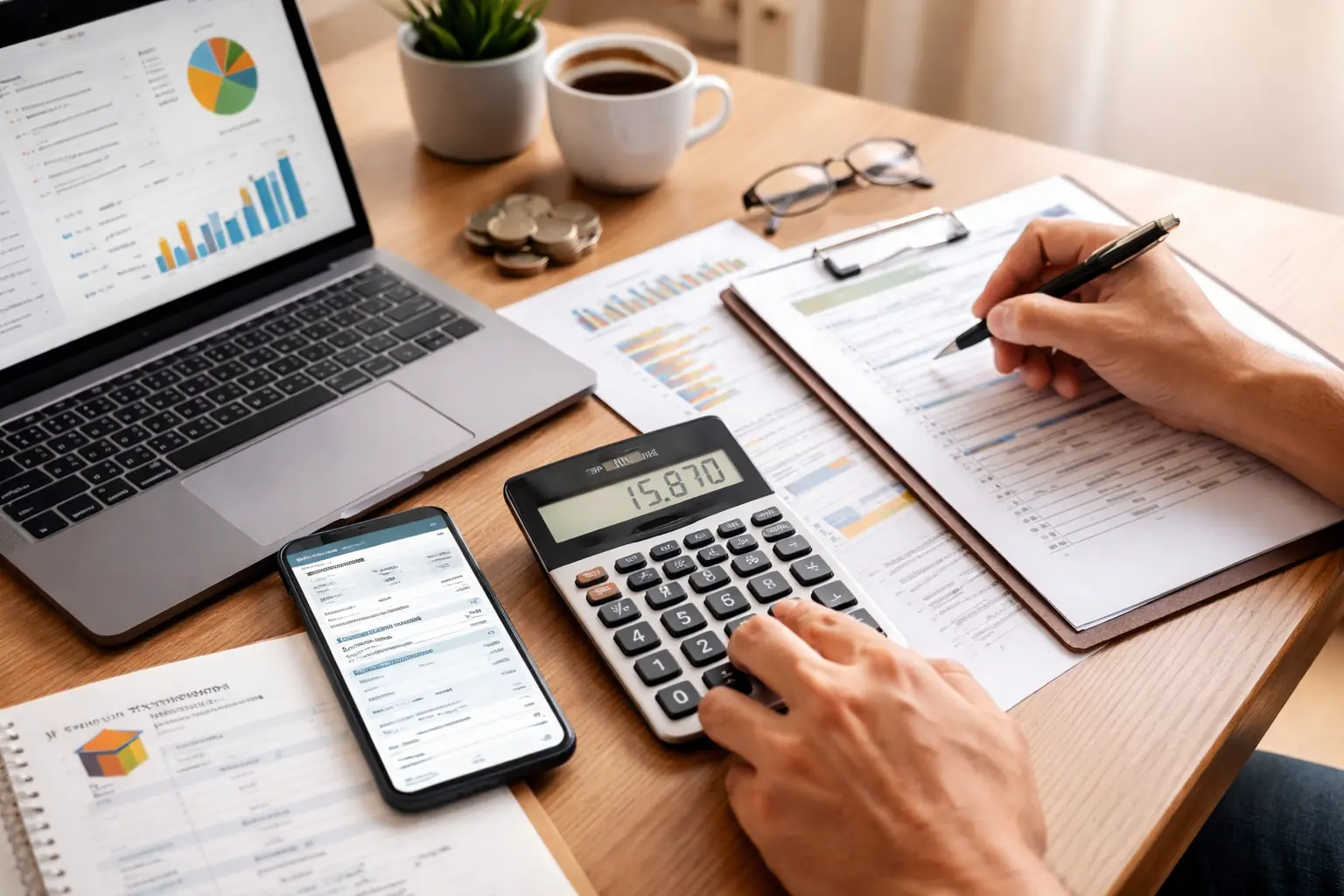
Most modern budgeting tools excel at presenting data visually through charts, graphs, and dashboards. Don’t underestimate the power of these visual aids. A pie chart showing your spending breakdown can immediately highlight categories where a disproportionate amount of your money is going. A bar graph comparing budgeted versus actual spending over several months can clearly show consistent overspending or successful adherence to your plan. Visualizations make complex financial data accessible and understandable, allowing for quicker identification of areas that need attention.
Making Adjustments to Your Budget and Achieving Financial Goals
Budgeting is an iterative process, not a static document. The initial budget is a starting point, and ongoing adjustments are essential for its long-term effectiveness. This dynamic approach ensures your budget remains relevant and helps propel you towards your financial aspirations.
Revising Budget Allocations Based on Insights
Armed with the knowledge gained from your budget vs. actual spending analysis, it’s time to refine your budget allocations. If you consistently underspend in a category, you might reallocate those funds to savings or debt repayment. Conversely, if you consistently overspend in another, you have two options: either adjust your budget up to a more realistic figure (if it’s a necessary expense) or identify ways to reduce that spending. Don’t be afraid to make changes; a budget that doesn’t adapt to your life is a budget that will fail.
Identifying Areas for Cost Savings and Optimizing Spending
The comparison tool is your diagnostic aid for identifying areas where you can trim expenses without significantly impacting your quality of life. This could involve negotiating lower rates for internet or insurance, canceling unused subscriptions, cooking more meals at home, or finding more affordable alternatives for entertainment. Every little saving, when compounded over time, can contribute significantly to your financial goals. Focus on sustainable changes rather than drastic, temporary cuts.
Setting Financial Goals and Tracking Progress with Your Budget
Your budget is not just about managing day-to-day expenses; it’s a powerful engine for achieving your financial dreams. Whether it’s saving for a down payment, paying off debt, or building an emergency fund, your budget connects your daily spending to your long-term aspirations. Dedicate specific budget categories for savings goals, and use your comparison tool to track your progress towards them. Seeing those savings grow, month after month, can be an incredibly motivating force, reinforcing positive financial habits and demonstrating the tangible results of your diligent budgeting efforts. Regularly reviewing your progress against your goals keeps you accountable and focused on your financial journey.