
Simplify Your Finances: The Ultimate Guide to Setting Up a Financial Dashboard
In today’s fast-paced world, managing personal finances can feel like navigating a complex maze. Bills pile up, investments fluctuate, and every financial decision seems to have a ripple effect. The good news is there’s a powerful and intuitive solution to bring order to this chaos: a financial dashboard. Imagine having a single, consolidated view of your entire financial universe, with every penny, investment, and debt presented in a clear and concise manner. This isn’t just about tracking numbers; it’s about gaining control, making informed decisions, and ultimately, achieving your financial dreams.
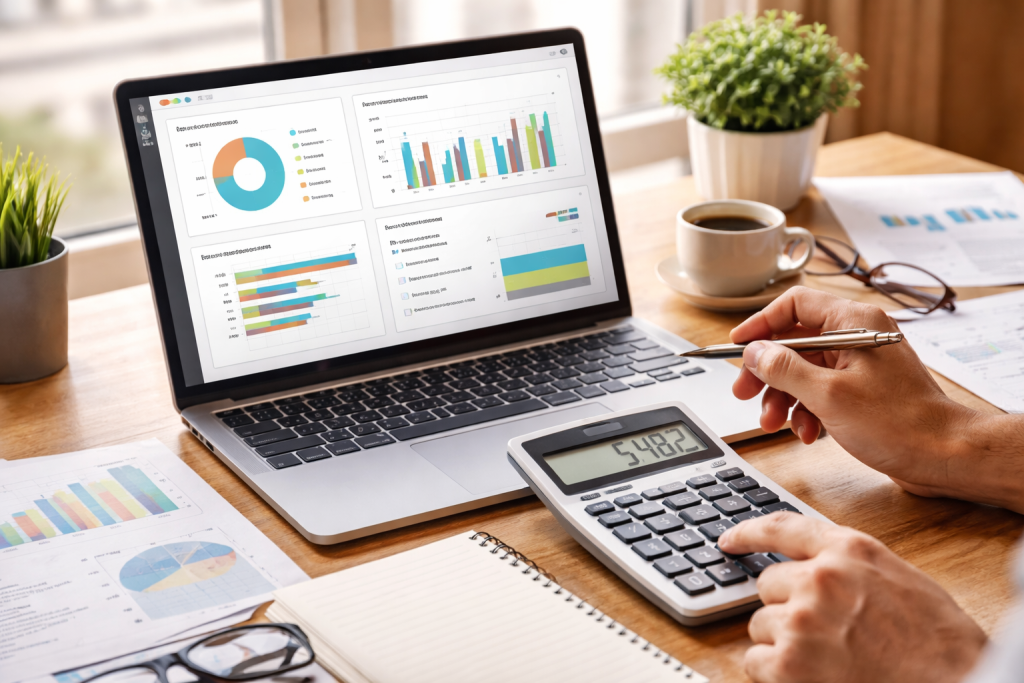
A financial dashboard is more than just a spreadsheet; it’s a personalized control center for your money. Think of it as your financial airplane’s cockpit, giving you all the key metrics at once. Without it, you must rely on guesswork and fragmented information from various bank statements, investment apps, and credit reports.
Gaining Clarity and Control
The primary benefit of a financial dashboard is the unparalleled clarity it offers. Centralizing your finances lets you see where your money comes from and goes. You can identify spending patterns, uncover hidden fees, and identify areas where you can optimize your financial habits with this comprehensive view. It transforms a scattered mess of information into a cohesive, understandable narrative.
Empowering Informed Decision-Making
When you have real-time access to accurate financial data, your ability to make sound decisions skyrockets. Should you save more for retirement, pay down that high-interest debt, or splurge on that well-deserved vacation? A well-designed dashboard provides the insights needed to answer these questions with confidence. It moves you from reactive financial management to proactive, strategic planning.
Reducing Financial Stress
One of the often-overlooked benefits of a financial dashboard is the significant reduction in financial stress. The unknown can be terrifying, and financial anxiety often stems from a lack of understanding and control. By bringing everything into the open, a dashboard demystifies your finances, allowing you to face your financial reality head-on and empowering you to take meaningful action. This sense of control can be incredibly liberating.
The beauty of a financial dashboard lies in its adaptability. There is no universally applicable solution, and the selection of the “right” tool is contingent upon your personal preferences, technical proficiency, and the intricacy of your financial circumstances.
Spreadsheet-Based Solutions
For the budget-conscious and those who enjoy a hands-on approach, a spreadsheet (like Microsoft Excel or Google Sheets) can be an incredibly powerful tool. These offer maximum customization, allowing you to design your dashboard exactly as you envision it. You can create custom categories, develop intricate formulas, and build personalized charts to visualize your data. While they require a bit more manual input initially, the learning curve is manageable, and the sense of ownership over your data is unmatched.
Dedicated Financial Management Software
If you’re looking for more automation and pre-built features, dedicated financial management software like Quicken, Mint, or Personal Capital are excellent choices. These platforms often connect directly to your bank accounts, credit cards, and investment accounts, automatically importing and categorizing transactions. They offer robust budgeting tools, investment tracking, and even advice from financial professionals. The convenience and automation they provide can save significant time and effort.
Hybrid Approaches
Many people find success with a hybrid approach, using a combination of tools. For example, they might use a dedicated app for automatic transaction tracking and then export that data into a custom spreadsheet for more in-depth analysis or personalized visualizations. This allows them to leverage the strengths of different platforms, creating a truly optimized financial dashboard experience.
The foundation of an effective financial dashboard is meticulously organized information. Without a clear structure, even the most sophisticated tools will fall short. This initial setup might seem daunting, but it’s a crucial step that will pay dividends in the long run.
Consolidating Account Information
Begin by gathering all your financial account details. This includes bank accounts (checking, savings), credit cards, loans (mortgage, auto, student), investment accounts (brokerage, 401k, IRA), and any other financial instruments you hold. Create a master list with account names, institutions, website logins, and contact information. This centralization makes it incredibly easy to link accounts to your dashboard tools and troubleshoot any issues.
Defining Income and Expense Categories
To effectively track your financial flow, you need well-defined categories for your income and expenses. Avoid being too broad or too granular. For income, think about your primary salary, freelance earnings, rental income, or any other sources. For expenses, group them into meaningful buckets like housing, transportation, food, entertainment, utilities, and personal care. The goal is to create categories that give helpful insights without becoming overwhelming. Consistency in categorization is key for accurate analysis later on.
Setting Up a Secure Digital Filing System
Beyond the dashboard itself, establish a secure digital filing system for important financial documents. This includes pay stubs, tax documents, investment statements, loan agreements, and insurance policies. Cloud storage services like Google Drive, Dropbox, or dedicated document management software can be excellent for this, they ensure your documents are backed up and accessible from anywhere while also maintaining strong security measures.
The core function of any financial dashboard is to provide a unified view of your cash flow. This means bringing all your income and expenditure data together, eliminating the need to jump between multiple platforms.
Automated Transaction Imports
Modern financial dashboard tools excel at automating transaction imports. Your dashboard automatically pulls your transactions by linking your bank accounts and credit cards, often categorizing them with intelligent algorithms. While these algorithms are useful, it’s always wise to review and adjust categories regularly to ensure accuracy. This automation saves immense time and reduces the likelihood of manual entry errors.
Manual Entry for Cash and Untracked Payments
Even with automation, there will be instances where manual entry is necessary. Cash transactions, payments to individuals, or expenditures from accounts not linked to your dashboard will need to be logged manually. Establish a consistent habit for recording these—perhaps daily or weekly—to ensure a complete picture of your spending. Overlooking these small transactions can significantly skew your financial insights.
Visualizing Cash Flow Trends
Once your income and expenses are flowing into your dashboard, it’s time to visualize the data. Utilize charts and graphs to understand your financial trends. A pie chart showing expense breakdown, a bar chart illustrating monthly income versus expenses, or a line graph demonstrating spending over time can reveal insights that mere numbers cannot. These visual cues are powerful tools for identifying areas of concern or opportunities for improvement.
A financial dashboard truly comes alive when you integrate budgeting and goal-setting. It transforms from a mere tracking tool into a powerful engine for financial achievement.
Creating Realistic Budgets
Based on your tracked income and expenses, you can create realistic and sustainable budgets. Instead of arbitrary numbers, your budget will be grounded in your actual spending habits. Allocate specific amounts to each expense category, ensuring your spending aligns with your financial priorities. Remember, a budget is not a straitjacket; it’s a roadmap to your financial destination. Regularly review and adjust your budget as your circumstances or priorities change.
Defining Short-Term and Long-Term Goals
Utilize your dashboard to define and track your financial goals. Break down large goals, like buying a house or retiring early, into smaller, more manageable short-term goals. For instance, you could set a monthly goal to save X amount for a down payment. Your dashboard can show your progress toward each goal, providing motivation and highlighting if you’re on track or need to adjust your savings rate.
Tracking Progress Towards Goals
The true power of integrating goals into your dashboard is the ability to monitor your progress in real-time. Seeing your savings grow toward a down payment or watching your investment portfolio steadily increase for retirement provides incredible motivation. Many tools allow you to set target dates and automatically calculate if you’re on track, giving you timely alerts and prompting you to make necessary adjustments to your financial plan.
For those building wealth, a financial dashboard is indispensable for monitoring investment performance and ensuring your retirement plan is on track.
Consolidating Investment Portfolios
If you have investments across multiple brokerage accounts, retirement plans (401k, IRA), or even alternative investments, your dashboard can bring all these disparate pieces into one consolidated view. This eliminates the need to log into numerous platforms, providing a holistic snapshot of your entire investment portfolio’s performance.
Tracking Performance and Asset Allocation
Your dashboard should display key investment metrics, such as your total portfolio value, individual asset performance, and most importantly, your asset allocation. Regularly checking your asset allocation ensures it aligns with your risk tolerance and financial goals. If one asset class grows significantly, your dashboard can suggest how to rebalance your portfolio to maintain your desired risk profile.
Projecting Retirement Readiness
Many advanced dashboard tools offer retirement projection features. By inputting your current savings, contributions, and expected retirement age, these tools can estimate your future nest egg and indicate if you’re on track to meet your retirement goals. This foresight is invaluable, allowing you to make adjustments now to ensure a comfortable future.
Debt can be a significant drag on financial progress, and a strong credit score is crucial for future financial opportunities. Your dashboard can be a powerful ally in both areas.
Overview of All Debts
Centralize all your debt information—credit cards, student loans, car loans, and mortgage—in your dashboard. See total outstanding balances, interest rates, minimum payments, and due dates at a glance. This comprehensive overview helps you prioritize which debts to tackle first, especially those with high-interest rates.
Strategy for Debt Reduction
Leverage your dashboard to implement and track debt reduction strategies, such as the snowball method or avalanche method. Visualize how extra payments accelerate your debt payoff, providing tangible proof of your progress. This visualization can be a significant motivator, encouraging you to stick to your plan and celebrate milestones along the way.
Monitoring Credit Score Changes
Integrate services that track your credit score directly into your dashboard, or regularly input your score from free credit reporting services. Monitoring your credit score offers feedback on the effectiveness of your financial habits and alerts you to any suspicious activity that might be impacting your credit health. Maintaining a healthy credit score enables you to access more favorable loan rates and financial products.
Automation amplifies the power of a financial dashboard. By setting up automated processes, you can reduce manual effort and ensure consistency in your financial management.
Setting Up Automatic Bill Payments
Use your bank’s online bill pay or your dashboard’s integration features to set up automatic payments for recurring bills like rent/mortgage, utilities, and loan payments. This minimizes the risk of late fees, protects your credit score, and frees up mental space. Always ensure you have sufficient funds in your account before payment due dates.
Scheduling Regular Savings and Investments
Automate your savings and investment contributions. Set up recurring transfers from your checking account to your savings account or investment accounts. Even small, consistent contributions can accumulate significantly over time. This “pay yourself first” approach ensures you prioritize your financial future.
Integrating with Other Financial Tools
Many dashboard tools integrate seamlessly with other financial applications, like budgeting apps, tax software, or investment platforms. Explore these integrations to create a cohesive ecosystem where data flows effortlessly between different components of your financial life, further enhancing efficiency and accuracy.
A financial dashboard is not just about organizing data; it’s about extracting actionable insights from that data. Analysis is where the true value lies.
Identifying Spending Patterns and Habits
Regularly review your expense categories. Are you spending more than you realize on eating out, subscriptions, or impulse purchases? Your dashboard makes these patterns undeniable. Identifying these habits is the first step toward making conscious changes that align with your financial goals.
Spotting Areas for Financial Optimization
Beyond just identifying spending, look for opportunities to optimize. Could you refinance a high-interest loan? Negotiate better rates on insurance? Consolidate subscriptions you no longer use? Your dashboard provides the data needed to pinpoint these areas for improvement, directly impacting your bottom line.
Forecasting Future Financial Scenarios
Use your dashboard to project future financial scenarios. What if you save an extra $100 per month? How would a pay raise impact your debt payoff timeline? Many tools offer what-if scenarios, allowing you to model different financial decisions and see their potential impact, empowering you to make smarter choices today for a better tomorrow.
A financial dashboard is a living document, not a static snapshot. Regular maintenance is critical for guaranteeing its accuracy, relevance, and continued value.
Establishing a Review Routine
Set aside dedicated time each week or month to review your dashboard. This doesn’t need to be a long session—perhaps 15-30 minutes. During this time, check your transactions, update categories, review progress toward goals, and ensure all accounts are synced. Consistency is key to keeping your dashboard effective and preventing data backlog.
Adapting to Life Changes
Life is dynamic, and so should be your financial dashboard. Major life events like a new job, marriage, buying a home, or having children will significantly impact your finances. Adjust your budget, goals, and tracking categories accordingly. Your dashboard should evolve with you, always reflecting your current financial reality.
Leveraging New Features and Updates
Financial software and spreadsheet capabilities are constantly evolving. Stay informed about new features, updates, or integrations that your chosen tools offer. These could provide more efficient ways to manage your data, offer deeper insights, or streamline your financial processes further, continuously enhancing the value you derive from your dashboard.
A financial dashboard is not just a tool; it’s a journey toward financial empowerment. By systematically setting it up, maintaining it diligently, and leveraging its analytical power, you transform complex financial data into a clear, actionable guide. It enables you to navigate your financial landscape with confidence, make informed decisions, and ultimately, achieve the financial freedom you deserve.