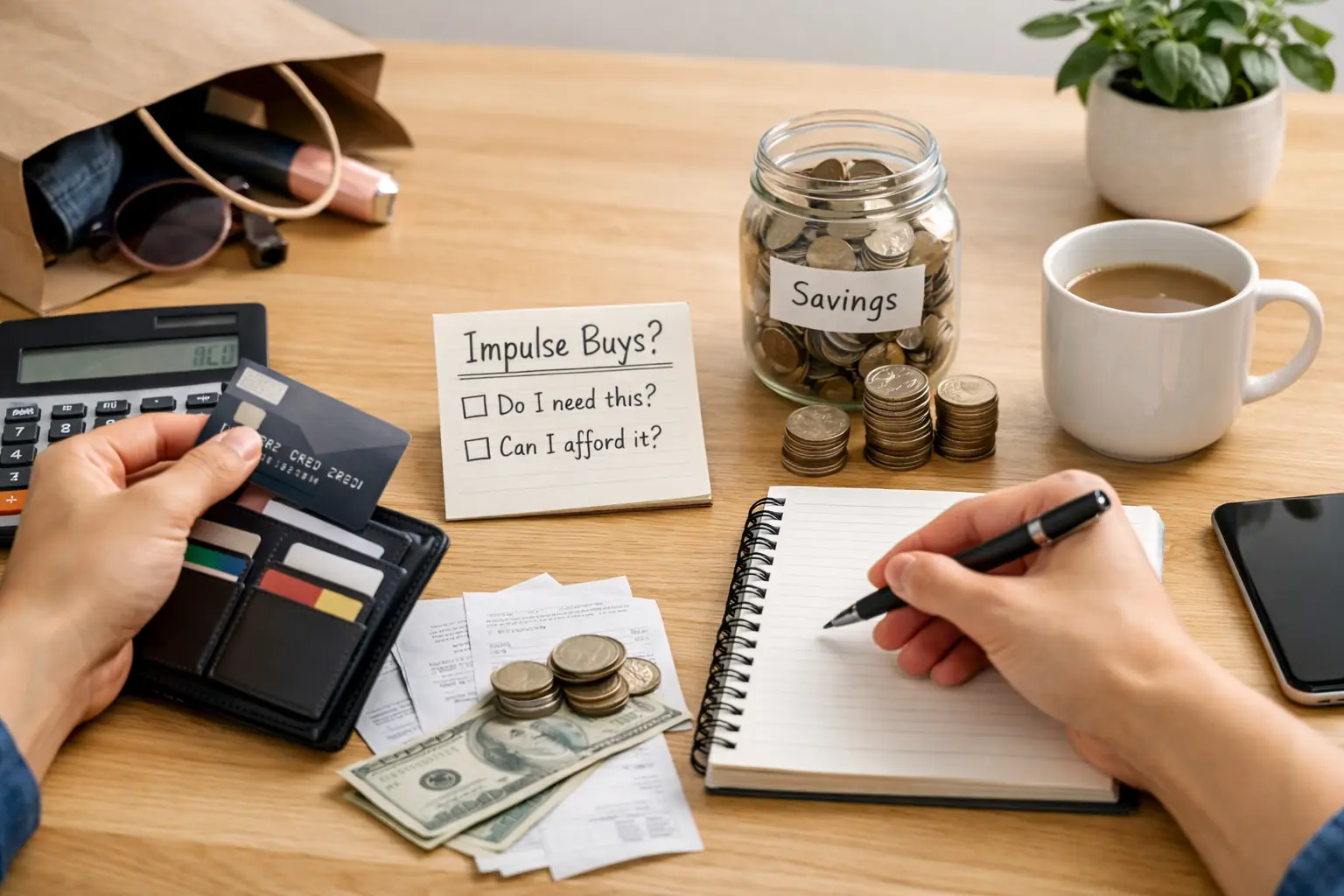
The siren song of a new gadget, the fleeting thrill of a designer purchase, or the irresistible allure of a limited-time offer—impulse spending is a pervasive challenge that plagues many individuals on their journey to financial well-being. Impulse spending is not limited to occasional splurges; for some, it develops into a deeply ingrained habit that disrupts budgets, accumulates debt, and perpetuates a persistent sense of financial anxiety. Taking control of your finances demands a conscious effort to understand, address, and ultimately overcome this powerful urge. This comprehensive guide will equip you with the knowledge and strategies necessary to break free from the cycle of impulse spending and build a more secure financial future.
To conquer a foe, you must first understand it. Impulse spending isn’t merely a lack of willpower; it’s a complex relationship between psychological factors, emotions, and external stimuli.
The Immediate Gratification Loop
Our brains are hardwired for immediate rewards. When we see something we desire, a rush of dopamine, the brain’s “feel-good” chemical, floods our system. This creates a powerful desire for instant gratification, making it incredibly difficult to resist. The thought of long-term financial stability often pales in comparison to the immediate pleasure of acquiring something new. Shrewd marketing and easy access to credit amplify this loop, blurring the lines between want and need.
Emotional Triggers and Retail Therapy
For many, spending serves as a coping mechanism for negative emotions. Feeling stressed, sad, bored, or even overly excited can all lead to impulse purchases. This phenomenon, often dubbed “retail therapy,” provides a temporary distraction or mood boost. However, the underlying emotional issues remain unaddressed, and the financial consequences often exacerbate the original feelings of distress, creating a vicious cycle. Understanding what emotions drive your spending is crucial for breaking this pattern.
Social Influence and FOMO (Fear of Missing Out)
Humans are social creatures, and the desire to fit in, keep up with trends, or avoid feeling left out can heavily influence spending habits. A powerful urge to spend can be triggered by seeing friends acquire new possessions, browsing social media filled with aspirational lifestyles, or being bombarded with advertisements that imply a certain product will enhance your life. The fear of missing out on experiences or possessions can override rational financial decisions, leading to unnecessary purchases driven by external pressures.
Self-awareness is the cornerstone of overcoming impulse spending. Before you can change your behavior, you need to understand when and why you are most susceptible to it.
Pinpointing Specific Spending Scenarios
Are there certain situations or environments that consistently lead to impulse purchases? For some, it might be browsing online stores late at night, a quick visit to a particular retail district, or even sitting through television commercials. Recognizing these specific scenarios allows you to develop proactive strategies to avoid or mitigate their impact.
Recognizing Marketing Tactics
Marketers are experts at exploiting psychological vulnerabilities. “Limited-time offers,” “buy one, get one free,” “flash sales,” and enticing imagery are all designed to create a sense of urgency and scarcity, pressuring consumers into quick decisions. Becoming aware of these tactics allows you to approach them with a healthy dose of skepticism, giving you time to consider if a purchase is truly necessary.
The Role of Stress and Boredom
As mentioned earlier, emotional states play a significant role. Stress can lead you to seek solace in material possessions. Online shopping can provide a fun diversion when you’re bored. Identifying when and how these states contribute to your spending habits is a critical step toward finding healthier coping mechanisms.
A budget is not a restriction; it’s a blueprint for financial freedom. It provides a clear roadmap for where your money is going and allows you to make intentional spending decisions.
Categorizing Your Expenses
Start by meticulously tracking every penny you spend for a month or two. This provides a clear picture of your current financial habits. Then, categorize these expenses into fixed (rent, loan payments) and variable (groceries, entertainment) categories. This granular view helps you identify areas where you can realistically cut back.
Allocating Funds for Different Areas
Once you clearly understand your expenses, allocate specific amounts to each category. Be realistic. If you enjoy dining out, don’t allocate an impossibly small amount, as the result will only lead to frustration and abandonment of the budget. The goal is sustainability.
Regular Review and Adjustment
A budget is a living document, not a static entity. Life changes, and so should your budget. Regularly review your spending against your plan and make adjustments as needed. If you consistently overspend in one category, either find ways to reduce that spending or reallocate funds from another less critical area.
Long-term goals provide powerful motivation to resist immediate temptations. When you have something significant to save for, the appeal of an impulse purchase diminishes.
Defining Short-Term and Long-Term Goals
Whether it’s a down payment on a house, a dream vacation, retirement savings, or simply paying off debt, clearly define your financial aspirations. Break down larger goals into smaller, more manageable milestones. This makes them feel less daunting and provides a sense of accomplishment as you reach each step.
Aligning Spending with Values
What truly matters to you? By understanding your core values, you can ensure your spending aligns with them. If experiencing new cultures is important, allocate more toward travel. If health is a priority, invest in fitness or healthy food. This intentional approach helps reduce spending on things that don’t genuinely contribute to your well-being or long-term happiness.
The Power of Delayed Gratification
This is perhaps the most crucial skill in overcoming impulse spending. Instead of buying something immediately, practice delaying the purchase for a set period—24 hours, a week, or even a month. Often, the initial urge will pass, and you’ll realize you didn’t need the item after all. This exercise strengthens your decision-making muscle and puts you in control.
Beyond budgeting and goal-setting, cultivating specific habits can significantly reduce the likelihood of succumbing to impulse buys.
The “30-Day Rule” for Major Purchases
For any non-essential item over a certain amount (e.g., $100), implement a 30-day waiting period. If after a month you still genuinely need and want the item, and it fits within your budget, then consider the purchase. More often than not, the desire will have faded.
Unsubscribing from Promotional Emails
Our inboxes are often battlegrounds for our wallets. Unsubscribe from marketing emails that constantly tempt you with sales and new products. Less exposure equals fewer temptations.
Creating No-Spend Days or Weeks
Challenge yourself to have days or even weeks where you spend absolutely no money on non-essentials. This helps build discipline and forces you to confront your spending triggers, finding creative ways to entertain yourself or meet your needs without opening your wallet.
In the digital age, managing finances has become easier than ever with a plethora of available technological aids.
Budgeting Apps for Real-Time Tracking
Apps like Mint, You Need A Budget (YNAB), or Personal Capital allow you to categorize transactions, set spending limits, and visualize your financial progress in real-time. These tools offer invaluable insights into where your money is going and help you stay accountable.
Bank Alerts and Notifications
Set up alerts with your bank for significant transactions, low balances, or approaching bill due dates. This keeps you informed and allows you to intervene before overspending becomes a problem.
Online Banking for Simplified Management
Leverage your bank’s online platform to check balances frequently, transfer funds between accounts, and review past transactions. This constant awareness is a powerful deterrent against impulse spending.
Having a financial safety net provides peace of mind and reduces the likelihood of impulse spending fueled by unexpected expenses.
The Importance of a Safety Net
An emergency fund, typically three to six months’ worth of living expenses, provides a buffer against unforeseen events like job loss, medical emergencies, or car repairs. Without it, these events can force you into debt or trigger desperate, impulsive spending.
Automating Savings Contributions
One of the most effective strategies is to “pay yourself first.” Set up automatic transfers from your checking account to your savings account immediately after you get paid. This ensures a consistent contribution to your financial goals before you even have a chance to spend the money elsewhere.
Separating Savings for Different Goals
Consider creating separate savings accounts or virtual “envelopes” for different financial goals. You could designate one for your emergency fund, another for a down payment, another for a vacation, and so on. This creates clear boundaries and makes it easier to track progress toward each objective.
Sometimes, impulse spending is rooted in deeper issues that require expert guidance.
Financial Advisors for Personalized Strategies
If you find yourself consistently struggling to manage your finances or you’re facing significant debt, a certified financial advisor can provide personalized strategies, help you create a debt repayment plan, and offer objective guidance tailored to your specific situation.
Therapists for Underlying Emotional Issues
As discussed, emotional distress can be a significant trigger for impulse spending. If you suspect your spending is linked to depression, anxiety, or other psychological factors, a therapist can help you address these underlying issues and develop healthier coping mechanisms.
Support Groups and Community Resources
Connecting with others who share similar struggles can be incredibly empowering. Support groups, both online and in-person, offer a safe space to share experiences, learn from others, and feel less alone in your financial journey.
These two powerful concepts are at the heart of breaking free from impulsive behavior.
Being Present and Aware of Intentions before Buying
Before making any purchase, pause. Take a deep breath. Ask yourself, “Do I truly need this? Is this aligned with my financial goals? Am I buying this out of habit, boredom, or an emotional trigger?” This conscious moment of reflection can often be enough to disrupt the impulse.
The 24-Hour Rule and Beyond
Extend the practice of delayed gratification. For non-essential items, commit to waiting at least 24 hours before buying. For larger purchases, extend that to a week or even a month. The time allows for rational thought to override initial desire and helps distinguish between a fleeting want and a genuine need.
Finding Non-Spending Rewards and Joy
Shift your focus from consumption to connection, experiences, and personal growth. Find joy in activities that don’t involve spending money—reading, hiking, learning a new skill, spending time with loved ones, and volunteering. By cultivating these alternative sources of happiness, the allure of material possessions diminishes.
The journey to financial control is a marathon, not a sprint. Acknowledging your progress is vital for maintaining motivation and reinforcing positive habits.
Acknowledging Efforts and Milestones
Don’t wait for a huge financial milestone to celebrate. Did you resist an impulse buy at the grocery store? Did you stick to your budget for a week Straight? Did you hit a small savings goal? Celebrate these small victories! They reinforce the idea that your efforts are paying off.
The Power of Positive Reinforcement
Reward yourself, but not with spending. Perhaps it’s an extra hour of a favorite hobby, a relaxing bath, or a guilt-free movie night. These non-monetary rewards solidify the positive connection between discipline and well-being.
Maintaining Momentum and Long-Term Commitment
Overcoming impulse spending is an ongoing process. There will be setbacks. The key is to learn from them, not to let them derail your entire effort. Stay committed to your goals, continuously refine your strategies, and remember that every conscious choice you make contributes to a more financially secure and fulfilling life.